

 Tiếng Việt
 中文 (中国)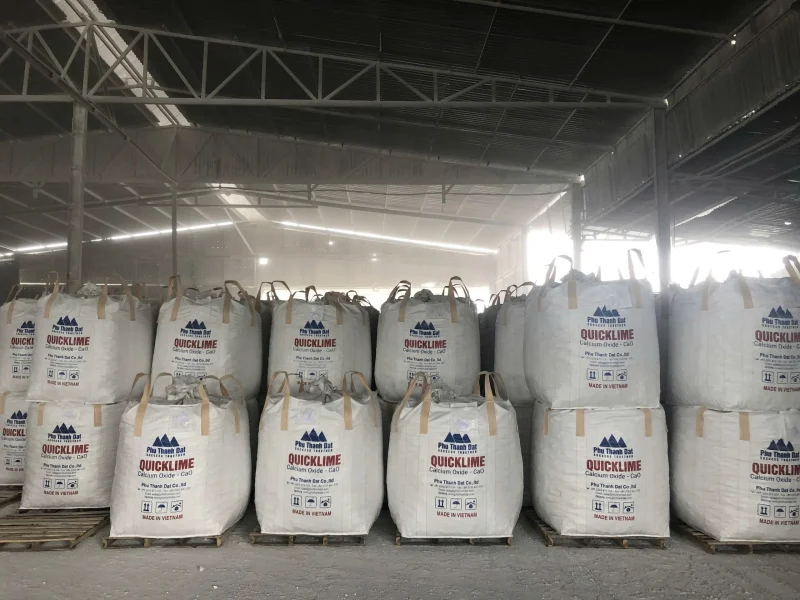
Export Opportunities Could Become Increasingly Important for Vietnam’s Industrial Sector
Export opportunities could become increasingly important for Vietnam’s industrial sector as domestic producers look beyond the local market for new sources of growth. Rising regional demand, expanding manufacturing activity and Vietnam’s growing trade connections are creating opportunities for companies capable of supplying consistent-quality industrial materials at competitive prices.
Among the sectors that could benefit are producers of limestone, quicklime (calcium oxide), hydrated lime (calcium hydroxide), calcium carbonate and other mineral-based industrial products. These materials are widely used in steelmaking, construction, water treatment, environmental applications, chemical processing, agriculture and other industries.
Regional demand creates opportunities
Vietnam’s geographic position in Southeast Asia provides exporters with relatively convenient access to markets such as the Philippines, Cambodia, Indonesia, Malaysia, Bangladesh and other Asian destinations. For bulk mineral products, proximity to customers can be an important competitive advantage because transportation costs can have a significant impact on the final delivered price.
Industrial buyers are also increasingly looking for reliable suppliers that can provide stable quality, regular shipments and competitive commercial terms. This creates opportunities for Vietnamese producers that can demonstrate consistent production capacity and professional export capabilities.
Lime and limestone could be promising export products
Vietnam has substantial limestone resources and an established lime-producing industry. This gives domestic manufacturers a potential advantage in supplying international customers that require limestone-derived products.
Quicklime, in particular, is an important industrial material. Steel mills use it as a flux and for impurity removal, while mining, water treatment, construction, chemical processing and environmental industries also consume lime in significant quantities.
For Vietnamese producers, developing export markets could therefore help diversify their customer base and reduce dependence on domestic demand.
Quality and logistics will remain critical
However, expanding exports will require more than competitive pricing. International buyers typically evaluate several factors, including CaO content, MgO content, reactivity, particle size, moisture, packaging, loading capacity and consistency between shipments.
Logistics will also play an important role. Bulk shipments may offer cost advantages for large industrial customers, while bagged products can be suitable for smaller buyers and distributors. Access to ports and efficient container or bulk-vessel handling can therefore influence a supplier’s competitiveness.
Building long-term international relationships
For exporters, identifying the right customers may be as important as finding new markets. Potential buyers include steel manufacturers, mining companies, construction-material producers, chemical manufacturers, water-treatment companies, distributors and industrial trading companies.
Instead of relying solely on spot transactions, Vietnamese suppliers could focus on developing long-term supply agreements with qualified overseas buyers. Stable contracts can provide producers with greater visibility over production and shipping schedules while giving buyers greater confidence in their supply chain.
Outlook
As regional industrial activity continues to develop, export opportunities could become increasingly important for Vietnamese producers of limestone and lime products. Companies that combine competitive pricing, consistent quality, reliable supply and efficient logistics may be well positioned to expand their presence in international markets.
For Vietnam’s lime and mineral-processing industry, the next stage of growth may therefore come not only from serving domestic customers, but also from building stronger connections with industrial buyers across Asia and other international markets.